


Share


 Copied
Backlink-Free SEO: How to Rank Content Without Links
20 April, 2025

Carlos Dusan
Table of Content
- Are Backlinks Still Essential for SEO Rankings?
- Targeting Sub-Niches with Low Competition
- Using Low-Competition, Long-Tail Keywords
- Building Topical Authority with Keyword Clusters
- On-Page SEO Optimization for Maximum Visibility
- Strategic Internal Linking for Authority Distribution
- Frequently Asked Questions
Subscribe to Our Newsletter
Get the latest web development tips, SEO strategies, and industry insights delivered to your inbox.You are now subscribed to our newsletter. Thank you
Are Backlinks Still Essential for SEO Rankings?
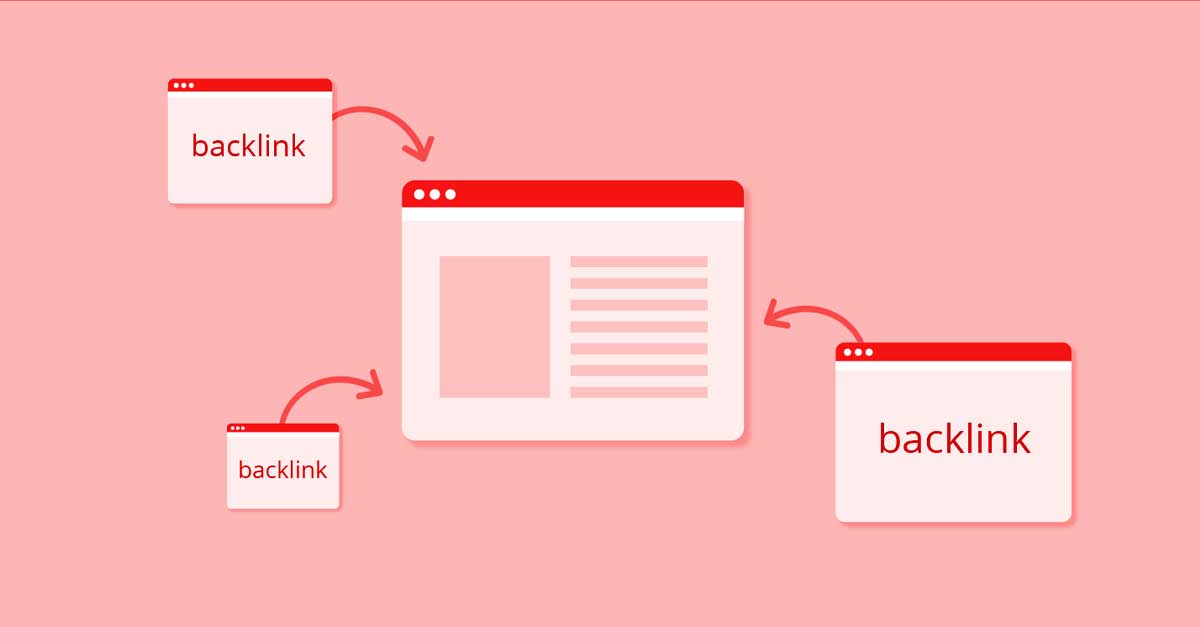
Backlinks were once crucial for SEO, but things are changing. Authoritative links still help, but new studies show high rankings are possible without them, especially in less competitive areas. Google's algorithms now focus on user experience, content quality, and relevance. In low-competition niches, sites with few or no backlinks can outdo larger rivals by providing thorough, authoritative content that meets user needs.
However, in highly competitive industries, backlinks remain a critical factor. When established players dominate the search results, link equity can be the deciding factor for visibility. For most websites, the need for backlinks depends on competition and the depth of topical authority in their content.
Targeting Sub-Niches with Low Competition
One of the most effective strategies for ranking without backlinks is to focus on sub-niches—specific segments within a broader market that have less competition. Instead of targeting broad, saturated keywords, zero in on specialized topics that directly address the needs of your ideal customer profile.
Discovering Profitable Sub-Niches
- Social Media Exploration: Platforms like Reddit, Twitter, and Facebook groups are treasure troves for finding passionate communities discussing niche topics. These discussions often reveal underserved areas ripe for content creation.
- Customer Conversations: Engaging directly with your target audience through interviews or surveys can uncover unique pain points and content opportunities that competitors may overlook.
- Competitor Analysis with SEO Tools: Tools like Ahrefs can help identify what sub-topics and keywords competitors are ranking for, allowing you to spot gaps and opportunities in the market.
Using Low-Competition, Long-Tail Keywords
Ranking without backlinks becomes significantly easier when you target long-tail keywords with low search difficulty. These keywords often have less competition and are more likely to attract highly qualified traffic.
Effective Keyword Research Techniques
- Seed Keyword Expansion: Use the sub-niches identified earlier as starting points for keyword research in tools like Ahrefs.
- Keyword Filtering: Apply filters such as Keyword Difficulty (KD) under 20, presence of low Domain Rating (DR) sites in the top results, and a minimum search volume to find the best opportunities.
- SERP Analysis: Manually review the search results for each keyword to ensure that the competition is manageable and that there are opportunities for new content to rank.
Building Topical Authority with Keyword Clusters
Establishing topical authority is crucial for ranking without backlinks. By creating comprehensive content clusters around related keywords, you signal to search engines that your site is an authoritative resource on the subject.
Implementing a Keyword Cluster Strategy
- Content Mapping: Use tools like Cluster AI to group related keywords and plan content that covers every aspect of your chosen sub-niche.
- Sequential Publishing: Start by targeting the easiest keywords, then expand into broader topics to build a robust content ecosystem.
- Internal Linking: Connect related articles within your cluster to reinforce topical relevance and guide users through your content.
On-Page SEO Optimization for Maximum Visibility
Without the boost from backlinks, on-page SEO becomes even more critical. Every element of your content must be optimized to ensure maximum relevance and discoverability.
Essential On-Page SEO Practices
- NLP Term Integration: Use content optimization tools like Neuronwriter to identify and naturally incorporate relevant Natural Language Processing (NLP) terms.
- Meta Data Optimization: Craft keyword-rich meta titles and descriptions that accurately reflect the content and entice clicks.
- Structured Headings: Employ a logical hierarchy of H1, H2, and H3 tags to organize content and improve readability.
- URL and Image Optimization: Include target keywords in URLs and image alt texts to enhance both SEO and accessibility.
Strategic Internal Linking for Authority Distribution
Internal linking is a powerful tool for distributing authority across your website, especially when external backlinks are scarce. A well-structured internal linking strategy helps search engines understand the hierarchy and importance of your pages.
Best Practices for Internal Linking
- Descriptive Anchor Text: Use keyword-rich, descriptive phrases for internal links to provide context and improve relevance.
- Priority Pages: Regularly link to your most important pages to signal their significance to search engines.
- Link Analysis Tools: Utilize tools like Ahrefs or Screaming Frog to identify and capitalize on internal linking opportunities.
Frequently Asked Questions
Can you really rank on Google without any backlinks?
Yes, especially in low-competition niches or with highly targeted long-tail keywords. By focusing on content quality, topical authority, and on-page SEO, many sites have achieved top rankings without building backlinks.
What is the most important factor for ranking without backlinks?
Content quality and relevance are paramount. Comprehensive, well-structured content that thoroughly addresses user intent can outperform competitors, even those with stronger backlink profiles.
How does internal linking help if you don’t have backlinks?
Internal linking distributes authority across your site, helps search engines understand content relationships, and improves user navigation. This can significantly boost the visibility of key pages, compensating for a lack of external links.