
Loading...

Share


 Copied
9 Essential Brand Design Principles: A Comprehensive Guide
04 July, 2024

Carlos Dusan
Table of Content
Subscribe to Our Newsletter
Get the latest web development tips, SEO strategies, and industry insights delivered to your inbox.You are now subscribed to our newsletter. Thank you
Introduction
Why Brand Design Matters in Today's Competitive Market
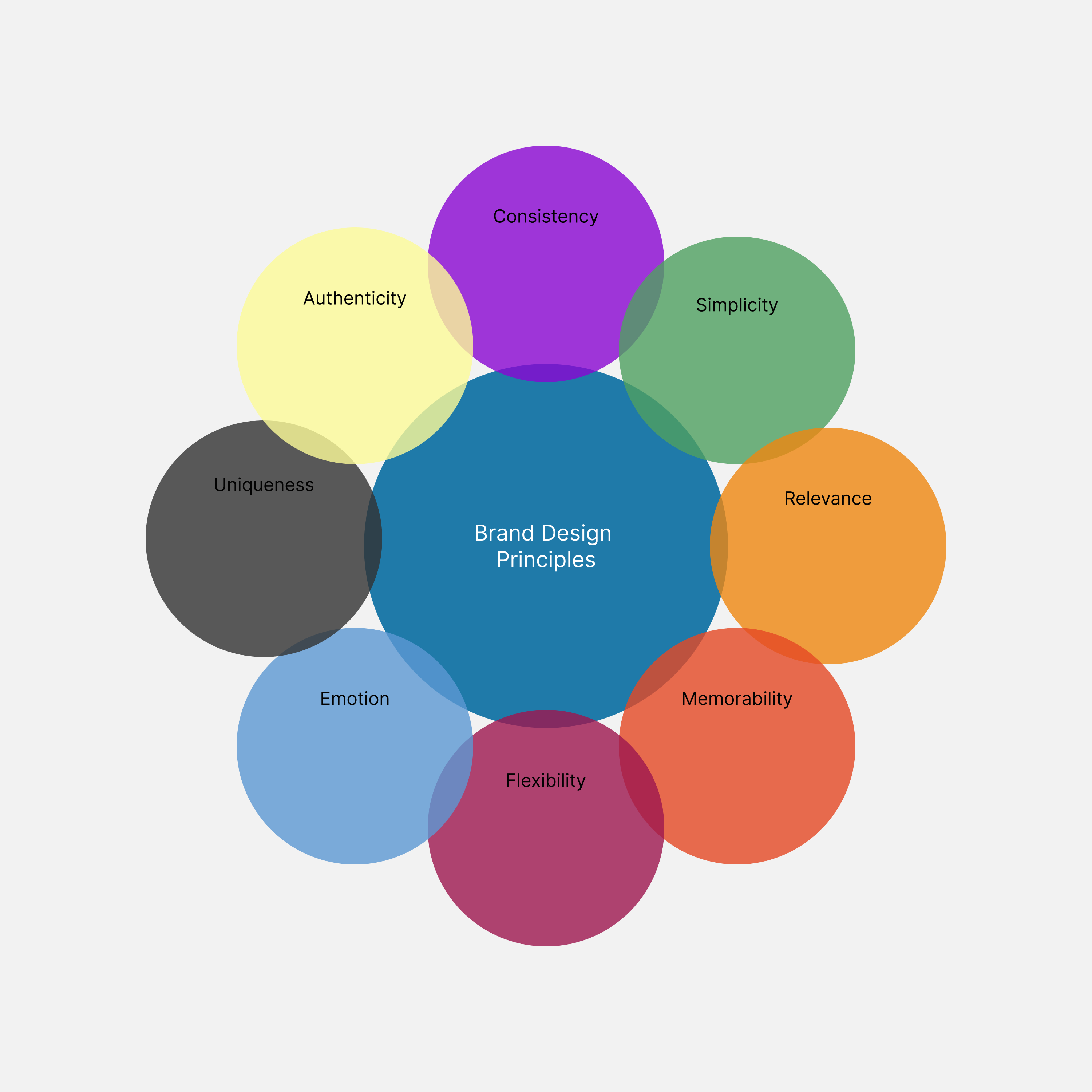
In today's fast-paced and highly competitive market, brand design is more important than ever. A well-designed brand can set your business apart, create a lasting impression, and foster loyalty among customers. In this comprehensive guide, we will explore the 9 essential brand design principles that can help your business thrive. From consistency to authenticity, we'll cover everything you need to know to create a strong and memorable brand.
What is Brand Design?
Definition of Brand Design
Brand design is the process of creating and shaping the visual identity of a brand. It encompasses various elements such as logos, color schemes, typography, and overall aesthetics. These components work together to convey a brand's message, values, and personality to its audience.
Importance of Brand Design
Why is brand design crucial for businesses? Simply put, it is the first impression customers have of your brand. A strong brand design can:
- Build trust and credibility
- Enhance brand recognition
- Differentiate your brand from competitors
- Foster emotional connections with customers
Examples of Effective Brand Design
- Apple: Known for its minimalist and sleek design, Apple’s brand is synonymous with innovation and quality.
- Coca-Cola: The iconic red and white color scheme and distinctive typography make Coca-Cola instantly recognizable.
- Nike: The simple yet powerful swoosh logo and consistent use of bold, motivational imagery have made Nike a global brand leader.
Principle 1: Consistency
Definition and Importance of Consistency
Consistency in brand design means maintaining a uniform look and feel across all brand touchpoints. This includes your website, social media, packaging, and marketing materials. Consistency builds trust and recognition, making it easier for customers to identify and connect with your brand.
How to Achieve Consistency
- Creating Brand Guidelines: Develop a comprehensive brand guide that outlines your brand’s visual elements, tone, and style. This ensures that everyone involved in creating brand content follows the same rules.
- Ensuring Uniformity Across All Platforms: Apply your brand guidelines consistently across all platforms and mediums. This includes digital and print materials.
Examples
- Starbucks: The consistent use of green color, the siren logo, and typography across all their stores and marketing materials.
- Google: The use of primary colors and simple, clean design elements across all their products and platforms.
Principle 2: Simplicity
Definition and Importance of Simplicity
Simplicity in brand design means keeping your design elements clean, uncluttered, and easy to understand. A simple design is more likely to be memorable and can improve user experience by making it easier for customers to navigate and interact with your brand.
How to Implement Simplicity
- Minimalist Design Techniques: Use minimal colors, fonts, and design elements. Focus on what is essential and remove any unnecessary clutter.
- Avoiding Clutter and Distractions: Ensure that your design is free from excessive elements that can distract or confuse your audience.
Examples
- Apple: Known for its minimalist design, Apple’s products and marketing materials are clean, simple, and easy to understand.
- Nike: The use of simple, bold imagery and clear messaging makes Nike’s brand design highly effective.
Principle 3: Relevance
Definition and Importance of Relevance
Relevance in brand design means ensuring that your design elements resonate with your target audience and align with your brand values and mission. A relevant brand design can create a stronger connection with your audience and enhance brand loyalty.
How to Ensure Relevance
- Researching Your Audience: Understand your target audience’s preferences, values, and behaviors. Use this information to inform your brand design.
- Aligning Design with Brand Values and Mission: Ensure that your design elements reflect your brand’s core values and mission.
Examples
- Patagonia: The brand’s design reflects its commitment to environmental sustainability, resonating with its eco-conscious audience.
- Dove: The use of real, diverse women in their branding aligns with their mission of promoting real beauty and self-esteem.
Principle 4: Memorability
Definition and Importance of Memorability
Memorability in brand design means creating a design that is distinctive and easy to remember. A memorable brand design can enhance brand recall and make it easier for customers to recognize and choose your brand.
How to Create a Memorable Brand
- Using Distinctive Logos, Colors, and Typography: Choose unique and recognizable design elements that set your brand apart.
- Crafting a Unique Brand Voice: Develop a consistent and distinctive brand voice that reflects your brand’s personality.
Examples
- McDonald’s: The golden arches and red and yellow color scheme make McDonald’s instantly recognizable.
- Coca-Cola: The distinctive script logo and red color have made Coca-Cola one of the most recognizable brands in the world.
Principle 5: Flexibility
Definition and Importance of Flexibility
Flexibility in brand design means being able to adapt your design to different platforms, mediums, and changing market conditions. A flexible brand design can help you stay relevant and effective in a constantly evolving market.
How to Achieve Flexibility
- Designing for Various Platforms and Mediums: Ensure that your brand design works well across different platforms, including digital, print, and social media.
- Updating and Evolving the Brand Over Time: Regularly review and update your brand design to keep it fresh and relevant.
Examples
- Google: The brand’s design has evolved over time, but the core elements remain consistent, allowing for flexibility and adaptability.
- Coca-Cola: The brand has successfully adapted its design to different markets and trends while maintaining its core identity.
Principle 6: Emotion
Definition and Importance of Emotion
Emotion in brand design means creating a design that evokes specific emotions and feelings in your audience. Emotional connections can drive customer loyalty and make your brand more memorable and impactful.
How to Evoke Emotion
- Using Storytelling in Design: Incorporate storytelling elements into your design to create an emotional connection with your audience.
- Leveraging Colors and Imagery to Evoke Feelings: Use colors and imagery that evoke the desired emotions and align with your brand’s message.
Examples
- Nike: The use of inspirational imagery and messaging evokes feelings of motivation and empowerment.
- Coca-Cola: The brand’s design evokes feelings of happiness and nostalgia through its use of color and imagery.
Principle 7: Uniqueness
Definition and Importance of Uniqueness
Uniqueness in brand design means creating a design that sets your brand apart from competitors. A unique brand design can make your brand more memorable and help you stand out in a crowded market.
How to Cultivate Uniqueness
- Identifying and Emphasizing Unique Selling Points: Highlight what makes your brand different and unique.
- Encouraging Creativity and Innovation: Foster a culture of creativity and innovation in your design process.
Examples
- Tesla: The brand’s unique design and innovative approach set it apart in the automotive industry.
- Airbnb: The distinctive logo and design elements reflect the brand’s unique value proposition and mission.
Principle 8: Clarity
Definition and Importance of Clarity
Clarity in brand design means ensuring that your design elements and messaging are clear and easy to understand. Clear communication can enhance user experience and make your brand more accessible and approachable.
How to Achieve Clarity
- Simplifying Messaging and Visuals: Use simple and straightforward messaging and visuals to convey your brand’s message.
- Ensuring Easy Navigation and Readability: Design your website and materials to be easy to navigate and read.
Examples
- Google: The clean and simple design of Google’s website makes it easy to use and navigate.
- Apple: The clear and concise design of Apple’s products and marketing materials enhances user experience and accessibility.
Principle 9: Authenticity
Definition and Importance of Authenticity
Authenticity in brand design means staying true to your brand’s values and mission. Authenticity can build trust and loyalty among customers, making your brand more relatable and trustworthy.
How to Maintain Authenticity
- Staying True to Brand Values and Mission: Ensure that your design elements reflect your brand’s core values and mission.
- Transparent Communication with the Audience: Communicate openly and honestly with your audience to build trust and credibility.
Examples
- Patagonia: The brand’s commitment to environmental sustainability is reflected in its design and messaging, making it authentic and trustworthy.
- Dove: The use of real, diverse women in their branding reflects their mission of promoting real beauty and self-esteem.
Common Questions About Brand Design Principles
How do I start designing my brand?
Steps to Begin the Brand Design Process:
- Define your brand’s mission, values, and target audience.
- Develop a brand strategy and visual identity.
- Create a brand guide to ensure consistency.
What tools can help with brand design?
Recommended Software and Resources:
- Adobe Creative Suite (Photoshop, Illustrator, InDesign)
- Canva
- Sketch
- Figma
How can I measure the effectiveness of my brand design?
Metrics and Methods for Evaluating Brand Design Success:
- Brand recognition and recall
- Customer feedback and surveys
- Website analytics and engagement metrics
How often should I update my brand design?
Guidelines for Refreshing and Evolving Your Brand:
- Regularly review your brand design to ensure it remains relevant and effective.
- Update your design elements as needed to reflect changes in your brand or market.
Conclusion
Recap
In this comprehensive guide, we have explored the 9 essential brand design principles: consistency, simplicity, relevance, memorability, flexibility, emotion, uniqueness, clarity, and authenticity. By applying these principles, you can create a strong and memorable brand that resonates with your audience and stands out in the market.
Elevate Your Brand Design Today!
We encourage you to apply these principles to your own brand and see the positive impact they can have. Remember, a well-designed brand is a powerful tool for building trust, recognition, and loyalty among your customers.



© Search Boss, All right reserved.